
High-Density Polyethylene (HDPE) Unit
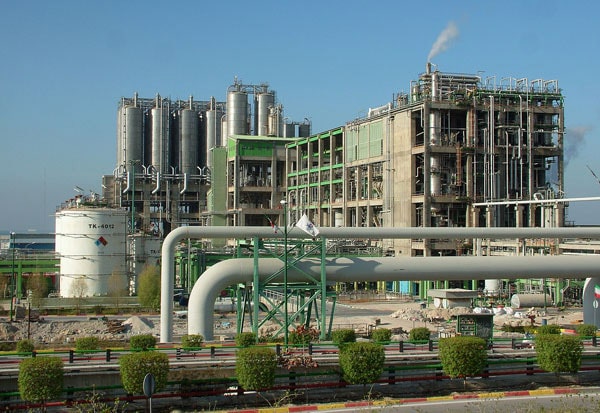
Jam Petrochemical HDPE Unit
The HDPE unit of Jam Petrochemical Company, licensed by LyondellBasell and based on basic engineering by Krupp Uhde, has an annual production capacity of 300,000 tons, making it one of the largest polymer units in Iran. Alongside the ability to produce 26 main grades, this unit is also capable of manufacturing colored grades such as black, yellow, blue, orange, and natural, a capability unique within the country and rare on a global scale.
Jam Petrochemical’s HDPE unit is the first producer of the CRP100 (pipe) black grade in Iran.
Key features include:
High product variety due to the wide range of producible grades
Large-scale production capacity
Capability to produce colored grades and the presence of two extrusion and packaging lines
Product Variety
The grades produced in this unit are classified into the following categories:
Injection Molding
Blow Molding
Stretched Tape
Monofilament
Pipe (PE100/PE80 – Natural/Color)
Film

Brief Description of the Production Process:
This unit is divided into two main sections: polymerization and granulation. First, the catalyst is prepared in the catalyst preparation section and then, along with the feedstock (ethylene, hydrogen, butene) and hexane (serving as the reaction medium), it is fed into the polymerization area and reactors. The polymerization reaction takes place in the first two reactors, either in parallel or in series, depending on the desired grade.
In the polymerization process, ethylene is used as the monomer, butene-1 as the comonomer to adjust density, hydrogen to control molecular weight or chain length, and TEAL to activate the catalyst. After passing through the first and second reactors, the suspension stream (solid polymer particles suspended in hexane) enters the third reactor for final reactions, reaching a conversion rate of approximately 99% at the outlet.
Next, hexane is separated from the polymer powder using centrifuges and sent to the distillation section for purification and reuse. The wet powder (cake) from the centrifuges is sent to a fluidized bed dryer for drying and then transferred via the powder conveying system to the extrusion section for granulation.
In the extrusion section, depending on the product application and after the required additives are mixed in, the polymer powder is converted into polyethylene granules using extruder machines. This section, equipped with two separate extrusion lines, has the capability to produce granules in a variety of colors.
The BD unit is divided into the following sections:
Based on the process and the catalyst used, more than 23 different grades are produced in this unit, which are classified into the following groups:
INJECTION MOLDING
SMALL BLOW MOLDING
LARGE BLOW MOLDING
STRETCHED TAPE
MONOFILAMENT
CABLE
PIPE PE100/PE80 (NATURAL/COLOR)
FILM